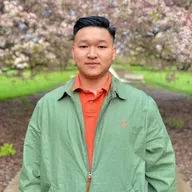
Xin Wei
Forum lead and lead content organizerSchmidt AI in Science Fellow · University of Michigan
AI for geohazards, responsible research translation, and cross-sector collaboration.
About SPARK
SPARK is a Fellow-led forum and community hub. It brings current and alumni Schmidt AI in Science Fellows together to build practical skills, test ideas through small-group projects, and begin working with cross-sector collaborators earlier in the research process.
Our mission
SPARK combines a retreat-style forum with a public resource hub supporting research translation, practical skills, cross-sector collaboration, mentorship, and sustained community connection.
The initiative welcomes scientific diversity. It is not centered on one discipline, one AI method, or one career path. Instead, it creates a shared environment in which participants can learn from one another and connect technical research with societal needs.
The public hub is designed to remain useful beyond a single event: preserving selected learning resources and project outputs, sharing community perspectives, and helping Fellows and alumni discover future opportunities and activities.
SPARK Forum
Planning in progressSPARK will bring current and alumni Schmidt AI in Science Fellows together with cross-sector collaborators to explore how research moves into practice—through shared problem framing, emerging AI methods, hands-on skills, small-group projects, mentorship, and reflection.
March 7: participant check-in only. March 8–12: main program.
Program arc · Preview
The people behind SPARK
We conceived SPARK and are bringing it to life—shaping the Forum's program, partnerships, participant experience, collaborative projects, and long-term community resources.
Schmidt AI in Science Fellow · University of Michigan
AI for geohazards, responsible research translation, and cross-sector collaboration.
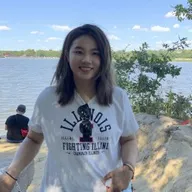
Schmidt AI in Science Fellow · University of Michigan
AI in transportation engineering, event organization, and cross-sector collaboration.
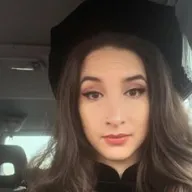
Schmidt AI in Science Fellow · University of Michigan
Scientific software and method development, event planning, and retreat activities.

Schmidt AI in Science Alum · Research Assistant Professor, Virginia Tech
AI ethics and governance, mentorship, and facilitation of multi-stakeholder convenings.
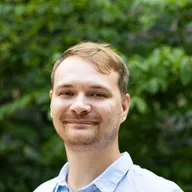
Schmidt AI in Science Alum · MIDAS AI Scientist, University of Michigan
AI in science community programming and conference and workshop organization.
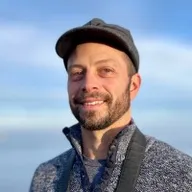
Schmidt AI in Science Alum · BirdsPlus Index Manager, American Bird Conservancy
AI for biodiversity monitoring, conservation decision support, and community-building.
Special thanks
We are grateful for the guidance, coordination, and practical help of colleagues across Schmidt Sciences and MIDAS.

Our principles
These principles shape both the Forum and the way this hub is developed and maintained.
Ethics, participation, accountability, and stakeholder values belong throughout the research lifecycle.
Strong pathways to impact are co-designed with the people and institutions involved.
Research outputs should be understandable, maintainable, and shareable whenever possible.
People with different backgrounds should be able to contribute meaningfully and continue learning.
Community-building is an essential research capability, not an optional social activity.
Community-led
SPARK is organized by current and alumni Schmidt AI in Science Fellows.
This public hub and website were created by Dr. Xin Wei at MIDAS, University of Michigan as part of the SPARK initiative.
Get involved
Share a useful resource, point the community toward an opportunity, suggest an event, or bring a real research-translation challenge.